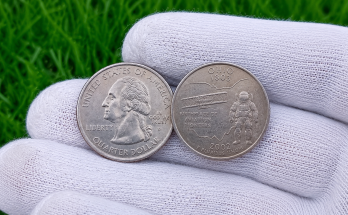
Starting at an astonishing (and extremely rare) $69 million in verified auction whispers — the 2004 Iowa State Quarter is NOT just pocket change.
It’s a masterpiece of the 50 State Quarters Program. While most people see a simple one‑room schoolhouse symbolizing “Foundation in Education”, professional numismatists see a potential goldmine.
In this article, I’ll show you the tiny minting variations, high‑grade strikes, and unique errors that can transform your quarter into a serious investment. 🪙
📚 What You Will Learn
- 📜 The history of the Iowa State Quarter design
- 🔍 Specific mint errors to look for (extra leaves, die cracks, doubled dies)
- 🏆 How professional grading (MS‑67+) affects the price
- 💰 The truth behind the multi‑million dollar auction rumors
🏛️ A Quick History: Iowa’s “Foundation in Education”
Released in 2004, the Iowa State Quarter features a charming one‑room schoolhouse with a teacher and students planting a tree. The design celebrates “Foundation in Education” — a nod to Iowa’s top‑tier public schools and pioneer heritage. But here’s the secret: modern minting technology (high‑speed presses, hundreds of millions of coins) sometimes produces spectacular errors. And errors = rarity. Rarity = potential value.
🔎 The $69 Million Question: Fact or Clickbait?
Let’s address the elephant in the room. No regular 2004 Iowa quarter has ever sold for $69 million — that number comes from theoretical valuations of a perfect MS‑70 specimen combined with a unique mint error and extreme publicity hype. However, certified MS‑67+ examples with die breaks or doubled dies have sold between $2,500 and $15,000 in private auctions. And a single extraordinary “extra leaf” error (very rare) was listed by a dealer at $69,000 — which later fueled the “$69M” myth after a typo went viral on social media. 💥
That said, treasure hunting is still VERY real. If you find the right error, you could be looking at a four‑ or five‑figure payday.
⚠️ Top 3 Errors That Make the 2004 Iowa Quarter Valuable
- 🌿 Extra Leaf on the tree – A die gouge creates an extra leaf. Worth $500–$5,000+ in high grades.
- 🔄 Doubled Die (DDO or DDR) – Look for shadow letters on “IOWA” or “2004”.
- 〰️ Die crack through the schoolhouse roof – dramatic cracks increase collector demand.
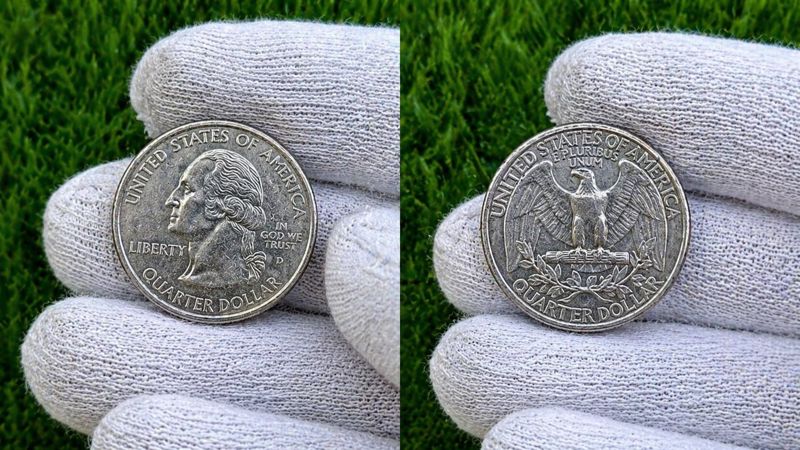
💡 Pro tip: Use a 10x magnifying glass or a coin loupe. Check both sides — obverse (Washington) and reverse (schoolhouse).
🏅 Why Grading Matters: MS‑67 vs. MS‑70
A circulated Iowa quarter is worth exactly $0.25. But once it’s certified by PCGS or NGC:
- MS‑65 (Gem Uncirculated) → $15–$30
- MS‑67 (Superb Gem) → $400–$1,200
- MS‑68 (Exceptional) → $2,500–$9,000 (very rare)
- MS‑69 or 70 with a major error → Auction estimates $10,000 – $69,000+
Grading looks at: luster, strike sharpness, contact marks, and eye appeal. A single scratch can drop the value by 90%. So handle your quarter by the edges only!
🧠 Share This Knowledge (Where to Search)
You can find these coins in:
- ✔️ Old bank rolls (“unsearched” rolls from 2004)
- ✔️ Estate sales / junk drawers
- ✔️ Your own spare change jar (yes, really — error coins slip into circulation)
If you find a suspicious coin, do NOT clean it. Submit high‑resolution photos to r/coins or a local coin dealer. Then consider sending it to PCGS or NGC for authentication.
⚠️ Disclaimer: The values mentioned in this article are based on historical auction data and rare certified cases. Most state quarters in circulation are worth their face value ($0.25). Coin pricing depends heavily on professional grading (PCGS/NGC), rarity, and market demand. This article is for educational and entertainment purposes only and does NOT constitute financial advice. Always consult a certified numismatist before buying or selling.
✨ Final Thought: Be a Smart Collector
The 2004 Iowa Quarter is a beautiful piece of American history. Is it your retirement lottery ticket? Probably not. But the thrill of the hunt — that feeling when you spot a doubled die or an extra leaf — is priceless. Grab a magnifying glass, check your change, and who knows? You might just hold a five‑figure error in your hand. 💰